The holiday season is the biggest sales opportunity of the year for ecommerce. In 2025, buyers are starting earlier, using mobile for last-minute buys, and expecting flexible payment and fast, reliable shipping. To compete, online store owners need a holiday strategy that covers both customer experience and operational readiness.
This guide walks you through how to prepare your online store, streamline payments and shipping, build a targeted holiday marketing plan, reward customer loyalty, and measure results so you can improve year after year.
How to prepare your online store for 2025: Holiday ecommerce strategy guide
Holiday shoppers expect a smooth, festive, and trustworthy online shopping experience. A store that looks outdated, loads slowly, or hides key information will lose sales quickly. Preparation means more than adding a banner, it’s about building confidence and making buying easy.
- Optimize product pages for holiday intent. Refresh descriptions with seasonal keywords such as “holiday gift ideas 2025” or “best Christmas deals.” Add high-quality photos and gift-ready bundles so customers can browse quickly.
- Ensure mobile-first design. In 2025, most holiday traffic will come from smartphones. Yola’s website builder automatically creates mobile-optimized layouts, so your store looks good and loads fast across all devices.
- Feature holiday collections. Create special categories like “Gifts under €50” or “Last-minute holiday finds” and feature them on your homepage. Yola lets you build custom pages or blocks for promotions without needing design skills.
- Showcase trust and convenience. Display reviews, star ratings, and security badges prominently. Make return and shipping policies easy to find. With Yola, you can add FAQs or dedicated policy pages in just a few clicks, helping reduce buyer hesitation.
- Speed up checkout. When it takes too long, it kills conversions. Yola’s ecommerce tools support streamlined checkout flows with integrated payment options, so consumers can complete purchases in just a few steps.
Preparing your online store is about reducing friction and building trust. With a platform like Yola, you don’t need technical expertise to implement these changes—your store can be updated quickly, so you’re ready before the holiday rush starts.
Best ways to simplify holiday payments and shipping
During the holidays, customers are shopping under pressure. Deadlines, gift lists, and tight budgets are everywhere. If payment or shipping feels complicated, they’ll abandon the cart and head to a competitor. A seamless checkout and clear delivery options can make the difference between a lost opportunity and a loyal customer.
Why easy payments matter
Research shows that cart abandonment spikes when checkout takes too long or when customers can’t find their preferred payment option. Imagine a customer on December 20th: they’ve finally chosen gifts, but see that your store only accepts credit cards. Without PayPal, Apple Pay, or buy now pay later, that sale is gone.
- Multiple payment options. Offer digital wallets (Apple Pay, Google Pay, PayPal), credit cards, and flexible plans like Klarna or Afterpay. Buyers who can pay their way are more likely to complete purchases.
- Fast checkout flow. Reduce steps – name, address, and one-click options to pay should be the default. Amazon’s one-click model is powerful because it cuts hesitation at the critical moment.
- Trust signals at checkout. Badges like “Secure Payment” or “Verified by Visa” reassure last-minute buyers who don’t have time to double-check.
The benefit: more completed sales and fewer lost customers due to friction.
Why shipping clarity builds trust
Shipping is another make-or-break factor. During the holidays, customers care more about reliability than speed, they just want gifts to arrive when promised.
- Clear deadlines. Example: A banner that reads “Order by December 18 for guaranteed Christmas delivery” sets expectations and builds confidence.
- Transparent costs. Hidden shipping fees are one of the top reasons people abandon carts. Showing costs upfront avoids nasty surprises.
- Real-time tracking. Your customers want to know where their package is. Offering tracking updates by email or SMS reduces support requests and builds trust.
- Local fulfillment options. If possible, use local carriers or pickup points to cut delays. For customers, it means peace of mind; for you, fewer delivery complaints.
The benefit: smoother operations for your store and fewer holiday customer service headaches.

Every barrier at checkout, whether it’s a missing payment method or an unclear shipping policy, creates hesitation. During the holidays, hesitation almost always means abandonment. By making payments flexible and shipping predictable, you turn anxious holiday shoppers into confident buyers who are more likely to return in 2026.
Holiday marketing strategy for ecommerce stores in 2025
The holiday season isn’t just crowded – it’s noisy. Every brand is competing for attention, inbox space, and ad clicks. To stand out, you need a marketing strategy that speaks directly to your shoppers’ needs while keeping campaigns manageable for you as a store owner.
- Start early with email campaigns. Shoppers begin browsing deals weeks before November. Instead of blasting discounts in December, send a series of “holiday prep” emails in October. Example: a subject line like “Gift ideas for everyone on your list—shop early and save” encourages customers to plan ahead. The benefit? You capture attention before inboxes are flooded.
- Target holiday keywords for SEO. Customers search for practical phrases like “best Black Friday deals 2025” or “last-minute Christmas gifts with fast shipping.” Updating product pages and blog content with these terms helps your store appear where shoppers are already looking. The benefit? You attract buyers with clear intent, not just browsers.
- Create urgency with promotions. Limited-time offers, countdown timers, or banners like “Only 2 left in stock” nudge shoppers to act quickly. For you, that means fewer abandoned carts and faster sales cycles.
- Leverage social media for discovery. Platforms like Instagram and TikTok thrive on holiday inspiration. Posting gift guides, unboxing videos, or customer stories can make your products part of the seasonal conversation. Example: a short TikTok showing “Top 5 gifts under €30 that ship fast” gives value to the viewer and visibility to your store.
- Collaborate with affiliates or micro-influencers. Instead of chasing big names, work with smaller creators who have loyal niche audiences. Their endorsements often feel more genuine and cost less. The benefit? Higher engagement rates and trust-building with shoppers who might not know your brand yet.
The holiday strategy plan should feel less like a sales push and more like a service: helping people find the right gift, at the right time, without stress. When your campaigns solve real shopper problems, you don’t just drive seasonal sales, you build loyalty that lasts into the new year.
How to reward loyal customers during the holiday season
Holiday shoppers are flooded with offers, and one of the most effective ways to stand out is by rewarding your loyal customers. Coupons are a simple, tangible way to show appreciation, encourage repeat purchases, and drive engagement during the busiest shopping season of the year.
With the online store built with Yola, creating discount coupons is straightforward. You can offer a percentage off, a fixed value, free shipping, or a combination. Coupons can be customized for specific products, categories, or customer groups, and shared through emails, social media, or abandoned cart campaigns.
The real value of coupons lies in how they influence customer behavior:
- Encourage immediate purchases. Holiday discounts or free shipping codes give shoppers a clear reason to act now rather than later.
- Increase order size. Coupons tied to minimum order amounts or product sets can nudge customers to spend more.
- Reward loyalty. Exclusive codes for returning customers make them feel recognized and valued, strengthening long-term relationships.
- Drive engagement beyond your store. Sharing codes through newsletters or social media encourages repeat visits and spreads awareness to new potential customers.
Additionally, gift cards complement coupon strategies. They give customers flexibility while ensuring sales now, with the added benefit of bringing new buyers to your store when the cards are redeemed.

In short, coupons aren’t just discounts, they’re a strategic tool to boost sales, reward loyal shoppers, and keep your store top-of-mind throughout the holiday season. With Yola, setting up and managing them is simple, letting you focus on connecting with customers rather than handling complex logistics.
Leveraging social proof and reviews during the holidays
During the holiday season, shoppers are faced with many options, and trust plays a critical role in purchase decisions. Customer data and reviews provide tangible proof that your products deliver on their promises. By incorporating social proof into your ecommerce store, you can strengthen credibility, guide decision-making, and improve conversions.
Foster trust through reviews and testimonials
Featuring customer reviews, ratings, and testimonials on product pages and homepages ensures shoppers feel confident. Displaying reviews for best-selling products or gift bundles can influence hesitant buyers. Ensure your site features reviews prominently, ideally near the purchase button, to maximize impact.
Integrate social proof across your navigation and campaigns
Use social proof banners, pop-ups, or badges that show top-rated items, trending gifts, or on-site purchase notifications. This not only improves site navigation but also supports your broader marketing efforts, helping shoppers quickly find popular and trusted products.
Personalization and influencer recommendations
Combine reviews with personalizing products, for example, recommending products based on past purchases or browsing history, paired with top-rated items. Collaborating with influencers who authentically endorse your products adds another layer of social proof, supporting customer acquisition and driving new visitors during the busiest shopping period.
Align with your overall strategy
To make the most of reviews and social proof, have a clear strategy in place. Decide where to highlight reviews, which products or categories to feature, and how to integrate user-generated content into email campaigns or social media posts. These tactics together can form part of the best holiday marketing approach, boosting conversions and customer confidence.
By effectively leveraging social proof, reviews, and influencer endorsements, you not only increase holiday sales but also strengthen trust and loyalty that lasts beyond the season.
Using personalization to drive holiday sales
Personalizing products has become a defining factor for every successful ecommerce brand, especially during the holiday season when competition is fierce. Shoppers expect tailored experiences, and businesses that deliver stand out.
Tailor experiences with data
Using purchase history and browsing behavior, you can create targeted product recommendations that match individual interests. For example, suggesting complementary items or holiday packages not only helps customers find what they need faster but also increases average order value.
Personalize email campaigns
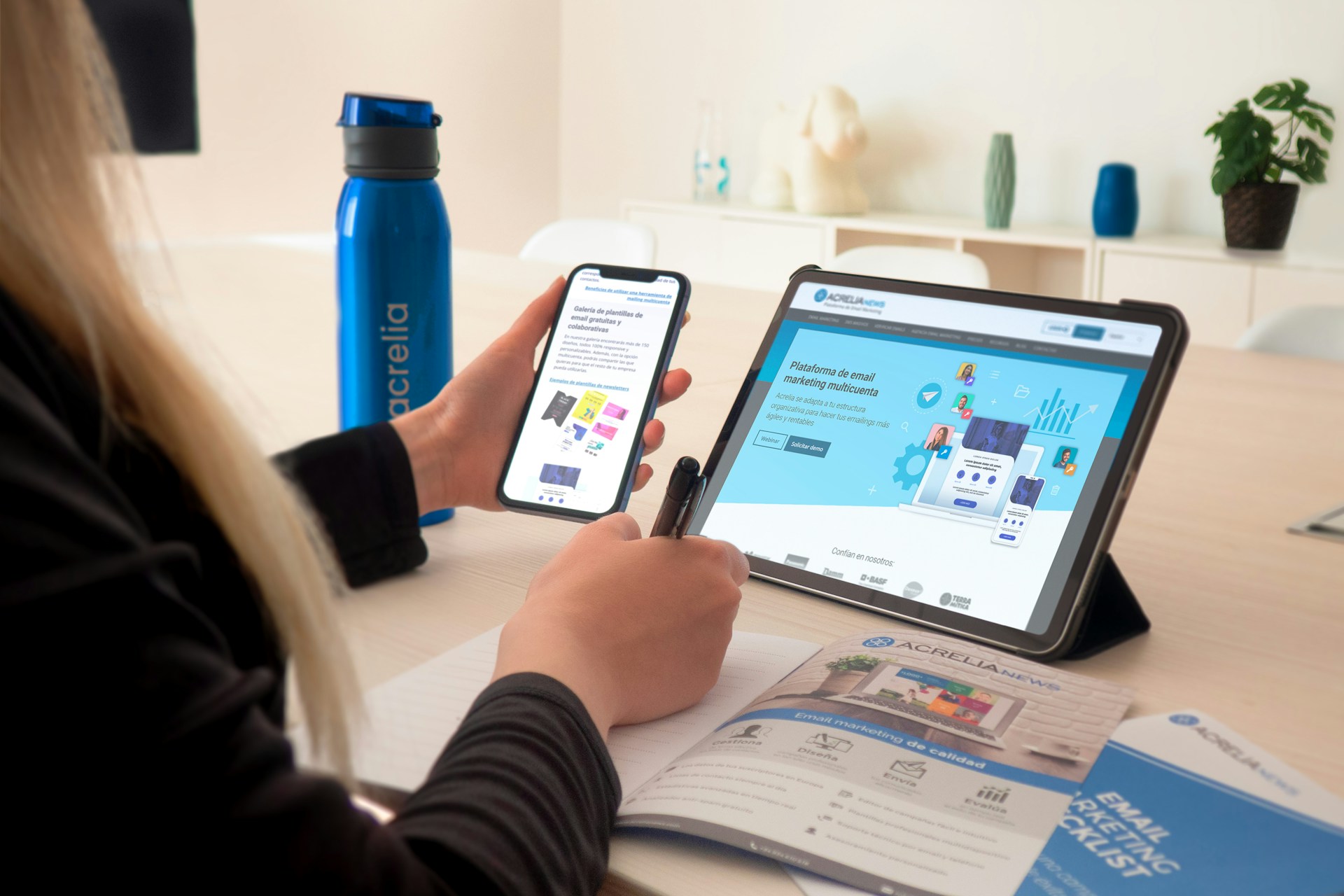
Email marketing is one of the most effective channels for personalization. Send customized messages based on prior purchases or engagement, like offering early access to promotions before Black Friday and Cyber Monday or highlighting curated gift lists. Personalized subject lines and content can significantly boost open rates and conversions during peak shopping times.
Enhance the shopping journey
Ensure your site supports personalization beyond emails. From homepage banners to cart reminders, dynamic content helps guide shoppers toward relevant items and promotions. Tailored landing pages or checkout suggestions can make the buying process smoother and more engaging.
By making personalization a cornerstone of your holiday plan, your ecommerce brand not only improves sales during peak shopping periods but also builds stronger connections with customers that last well beyond the season.
How to track and analyze holiday sales performance
Tracking and analyzing holiday sales is essential. The busiest shopping season of the year brings high traffic, larger orders, and new customers, but without clear insights, you won’t know what’s working, what’s missing, or how to improve. Data-driven decisions help you optimize marketing, identify your most profitable products, and plan for next year’s holidays.
Why it matters
- Understand customer behavior. Knowing where visitors come from, what devices they use, and which products they prefer lets you prepare promotions and the shopping experience to their habits.
- Measure marketing effectiveness. Holiday campaigns are costly. By analyzing sales and traffic sources, you can see which ads, emails, or posts generate revenue and adjust your strategy accordingly.
- Boost revenue and repeat purchases. Insights into average order value, order frequency, and item combinations enable you to deploy tactics such as free shipping thresholds or bundle offers that increase sales.
- Prepare for future seasons. Comparing year-over-year performance helps identify trends, seasonal peaks, and underperforming products, allowing you to plan more effective campaigns and manage inventory more efficiently.
Using store analytics
Yola offers you an Online Store that includes built-in reports and sales stats that give you the data you need:
- Basic stats. Quickly see visitors, order data, and abandoned carts from desktop or mobile dashboards. This provides an instant overview of activity during the holiday rush.
- Detailed reports. Track key metrics such as:
- Visitors: Total number, time spent, return rate, and devices used.
- Orders: Number of orders, repeat purchase behavior, items sold, and order size.
- Revenue: Overall revenue, average order value, and revenue per customer.
- Marketing sources: Identify which channels drive the most conversions, often with the help of UTM tags.
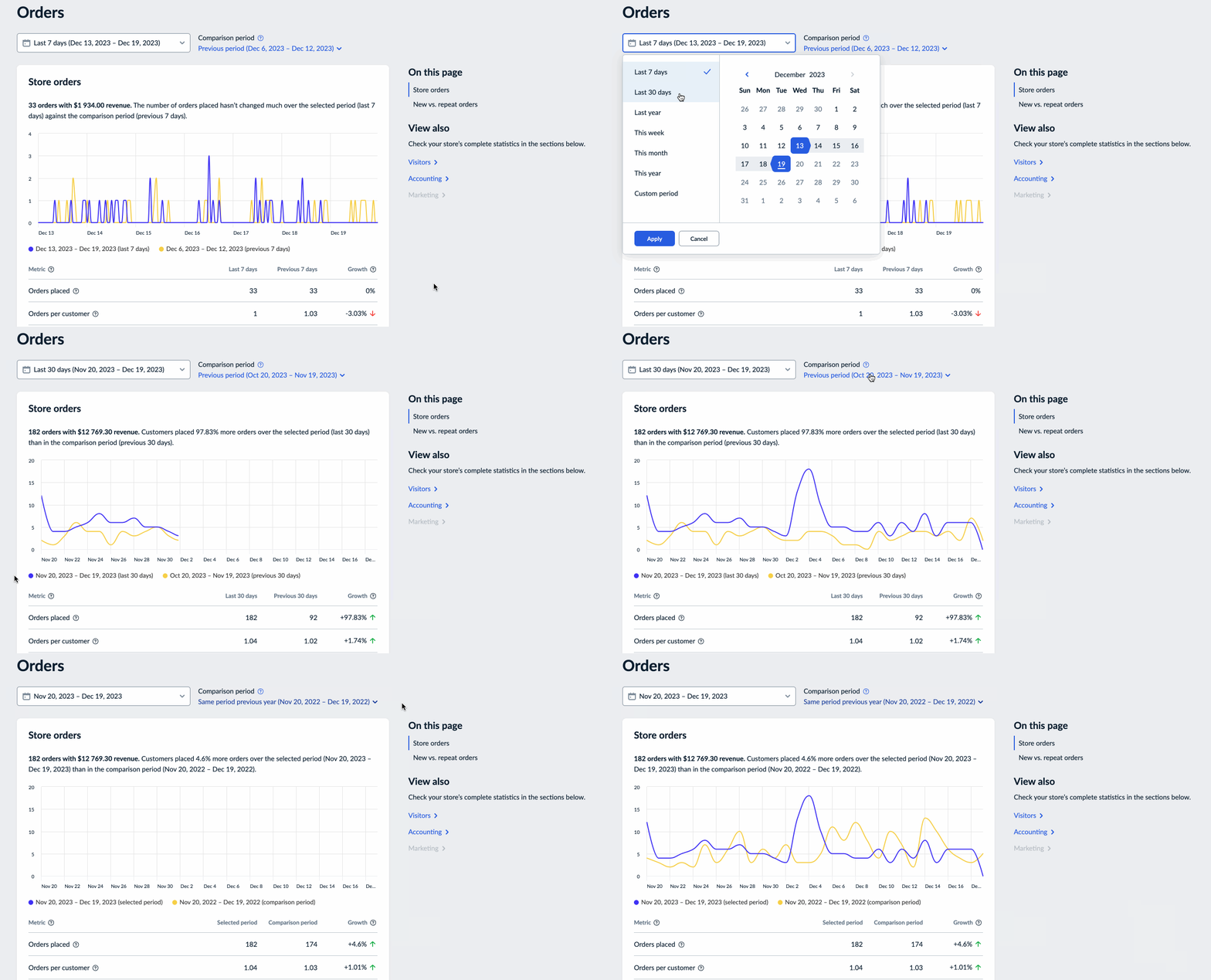
Reports can usually be customized for specific periods, like the holiday season, and compared to previous weeks, months, or the same period last year. Many platforms also allow automatic weekly email updates with stats and tips to keep you informed without needing to constantly check dashboards.
Without tracking and analysis, you’re operating blind during the holidays. Using store reports and analytics helps you understand what drives sales, optimize campaigns, and make real-time adjustments. Over time, these insights allow you to refine your strategy, increase revenue, and improve the overall shopping experience.
Maximizing results with your holiday marketing campaign
The competitive holiday season demands a well-planned holiday marketing campaign for ecommerce businesses to stand out. During the holiday period, it’s essential to not only attract new consumers but also engage existing customers. Successful campaigns create a sense of urgency through limited-time offers, countdowns, and stock alerts, motivating many customers to act quickly.
Offering multiple incentives, such as discounts, free shipping, or gift bundles, can increase average order value while making your store more appealing. Equally important is the post-purchase experience, like personalized follow-ups, thank-you messages, and recommendations encourage repeat visits and foster trust.
By combining urgency, multiple offers, and thoughtful post-purchase engagement, your ecommerce business can maximize sales, strengthen customer relationships, and outperform competitors during the busiest shopping season of the year.